Athens Airport to Corinth 2026: Transfers, Driving & Ancient Site Guide
Getting from Athens Airport to Corinth is straightforward, with several reliable transport options for this 86-kilometre journey. Whether you’re interested in the iconic Temple of Apollo, the fascinating Ancient Corinth Museum, or climbing Acrocorinth fortress for panoramic Peloponnese views, reaching this classical site takes approximately 1 hour 20 minutes by car. This guide covers all your transfer options, what to expect on arrival, and how to make the most of your visit to one of Greece’s most historically significant destinations.
How to Get from Athens Airport to Corinth
You have three main transport options when travelling from Athens Airport to Corinth. Each offers different advantages depending on your budget, flexibility, and luggage requirements. The journey spans approximately 86 kilometres via the A8 motorway, with tolls around €5 for the journey. Understanding each option helps you select the most convenient solution for your travel plans.
| Option | Duration | Cost (approx) | Best For |
|---|---|---|---|
| Private Transfer | 1 hour 20 minutes | €85–110 | Door-to-door convenience, luggage, small groups |
| Self-drive Rental Car | 1 hour 20 minutes | €40–80 (daily rate) | Maximum flexibility, multiple stops |
| KTEL Bus (via Athens) | 2–3 hours total | €8–12 | Budget travellers, flexible schedules |
Private Transfer from Athens Airport to Corinth
A private airport transfer remains the most comfortable option for most travellers. Professional drivers collect you from the airport terminal with a nameplate, eliminating the need to navigate unfamiliar surroundings or negotiate taxi fares. Journey time is approximately 1 hour 20 minutes via the A8 motorway, depending on traffic conditions and your specific Corinth destination.
Private transfer costs typically range from €85 to €110 for a standard sedan accommodating up to three passengers. Larger vehicles and group transfers are available at proportionally higher rates. Pre-booking through established transport companies ensures fixed pricing, avoiding surge charges common with ride-hailing apps. Drivers are familiar with airport procedures and can advise on the best route based on current conditions, making this option particularly valuable for first-time visitors unfamiliar with Greek roads.
Most private transfer operators offer flexible scheduling, allowing you to adjust pickup times if your flight is delayed. The service includes assistance with luggage and direct routing to your accommodation, making this ideal if you’re arriving with substantial baggage or prefer not to drive on unfamiliar roads. This convenience comes at a premium compared to public transport, but represents excellent value for small groups or families.
Self-Drive Rental Car from Athens Airport to Corinth
Renting a car at Athens Airport provides maximum flexibility for exploring Corinth and surrounding Peloponnese attractions at your own pace. Daily rental rates range from €40 to €80 depending on vehicle type and season, with fuel costs approximately €8–12 for the round trip to Corinth. The drive is straightforward via the A8 motorway, well-maintained and clearly signposted, requiring approximately 1 hour 20 minutes of driving time.
The A8 motorway toll costs approximately €5 and can be paid at toll booths with cash or card. Ensure your rental agreement includes toll coverage or purchase an electronic toll pass (Teletpass) for faster processing. Greek roads are generally well-maintained, and driving regulations are similar to most European countries, though roundabouts and urban traffic require careful attention. Parking in modern Corinth near archaeological sites is straightforward and usually free or inexpensive.
A rental car offers significant advantages if you plan to visit multiple sites, including Acrocorinth fortress, the ancient stadium, and the nearby Lechaion Road. You can also explore the modern city of Corinth with its waterfront tavernas and local attractions at your leisure. However, international driving permits are necessary for non-EU drivers, and Greek driving rules regarding seatbelts, speed limits, and parking should be reviewed before setting out.
KTEL Bus Service from Athens to Corinth
KTEL buses offer the most economical option for budget-conscious travellers, with fares approximately €8–12 between Athens city centre and Corinth. However, important to note: no direct bus service connects Athens Airport to Corinth. Instead, you must first travel from the airport to Athens city centre, then catch a connecting KTEL bus from the Kifissos bus station to Corinth. This adds approximately 1–1.5 hours to your total journey time.
The airport-to-city journey takes approximately 1–1.5 hours depending on traffic, with shuttle bus services or metro options available. Once in central Athens, the Kifissos KTEL terminal serves long-distance buses to Corinth, with departures approximately every 30 minutes during peak hours and less frequently during off-peak periods. The Corinth journey from Athens city centre takes approximately 1 hour, making total travel time from airport 2–3 hours when accounting for connections.
KTEL buses are comfortable and modern, featuring air conditioning and adequate luggage storage. This option suits independent travellers comfortable with transfers and those on tight budgets. However, if you have substantial luggage, are unfamiliar with Athens, or prefer direct travel, a private transfer represents better value despite the higher cost. Bus schedules can change seasonally, so confirm times when planning your trip.
What to See at Corinth
Ancient Corinth ranks among Greece’s most archaeologically significant sites, offering insights into classical Greek civilisation, commerce, and religious life. The site sprawls across approximately 11 hectares of open landscape, with major structures spread between the lower sanctuary area and the elevated Acrocorinth fortress commanding panoramic Peloponnese views. Most visitors spend 2–3 hours exploring the primary monuments, though a full day allows deeper appreciation of the museum, surrounding landscape, and climbing Acrocorinth.
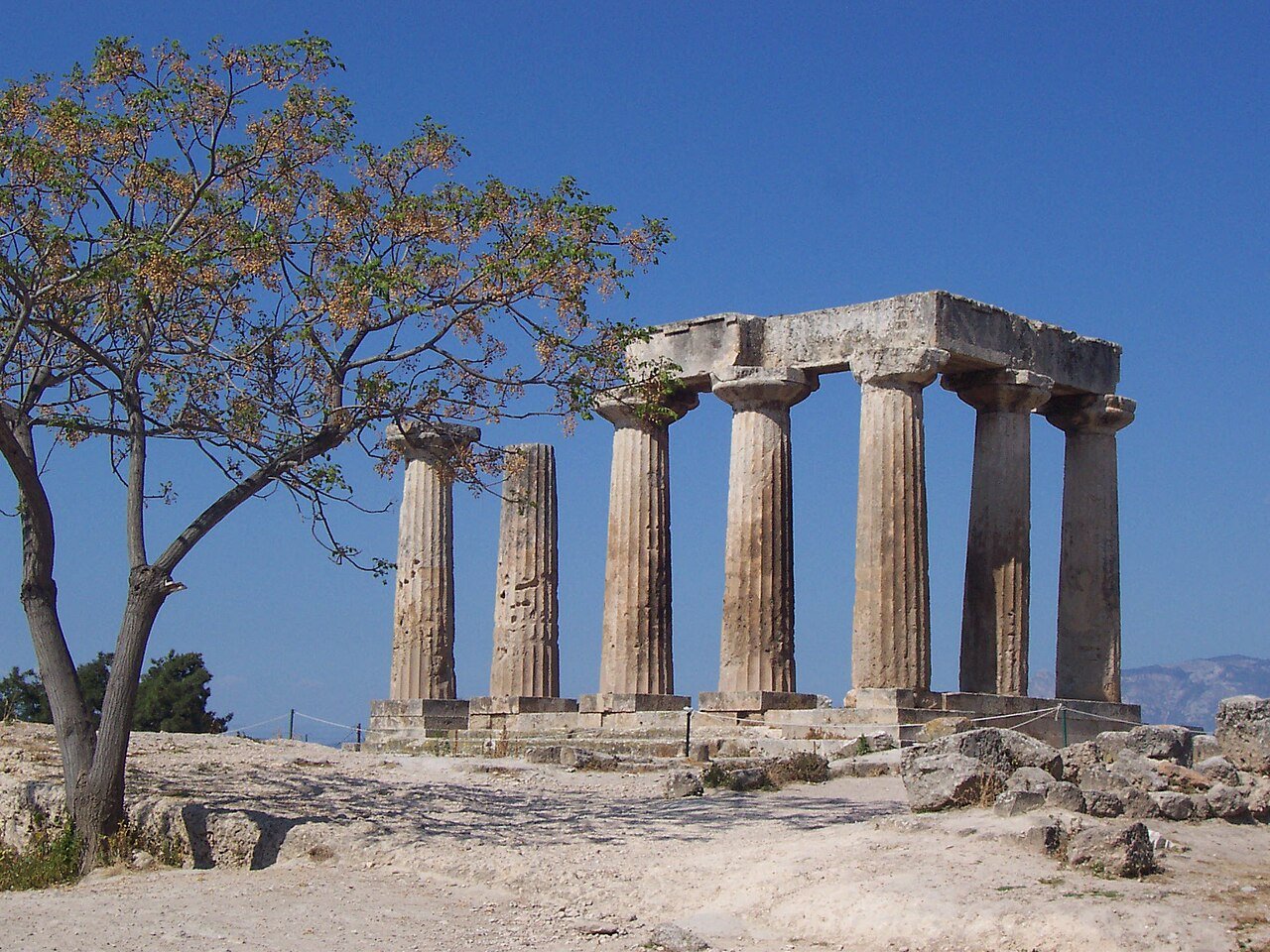
The Temple of Apollo stands as Corinth’s most iconic monument, featuring seven intact Doric columns from the original sixth-century BCE structure. These distinctive columns, crafted from monolithic limestone and standing approximately seven metres high, dominate the archaeological landscape and provide Greece’s finest example of archaic Doric architecture. The temple originally served as a landmark visible to sailors entering the Corinthian Gulf, guiding ancient vessels to this prosperous trading city. The Ancient Corinth Museum, located within the site, houses exceptional sculptures, pottery, and artefacts revealing daily life, trade networks, and religious practices across more than 3,000 years of habitation.
Acrocorinth fortress crowns the 575-metre limestone peak directly above the ancient city, offering extraordinary panoramic views extending from the Saronic Gulf to the Peloponnese interior. The fortress walls, originally constructed in the fourteenth century but built upon classical foundations, represent one of Greece’s most impressive fortified settlements. Climbing to the summit requires approximately 45 minutes via a winding path, but rewards visitors with spectacular vistas and the atmospheric castle ruins. The Lechaion Road, a sacred processional way connecting the city to its harbour sanctuary, features excellently preserved marble paving and columns providing context for understanding ancient Corinth’s commercial and religious importance.
Guided Tours to Corinth from Athens
Guided tours from Athens enhance your understanding of Corinth’s complex history, religious significance, and architectural achievements. Professional guides provide context for the Temple of Apollo’s architectural innovations, explain Acrocorinth’s strategic importance in classical and medieval periods, and detail the artefacts displayed in the museum. Tours typically depart from central Athens, include transport, entrance fees, and comprehensive commentary, with morning departures allowing afternoon exploration time. Booking through established tour operators ensures knowledgeable guides and efficient scheduling.
Where to Stay Near Corinth
The modern city of Corinth, located approximately 8 kilometres from the archaeological site, offers a range of accommodation options from budget hotels to comfortable mid-range establishments. However, for a more memorable experience, consider staying in nearby Nafplio, just 30 minutes further south — a beautiful walled town worth combining with your Corinth visit. Nafplio offers superior accommodation, a charming waterfront promenade, excellent restaurants, and convenient access to Epidaurus and Mycenae, making it an ideal base for exploring multiple Peloponnese archaeological sites within a region-wide itinerary.
Practical Tips for Visiting Corinth
Plan to arrive at the archaeological site early, preferably before 10 AM, to avoid midday heat and crowds. The site offers limited shade, so bring sunscreen, a hat, and substantial water supplies, particularly during summer months when temperatures exceed 35 degrees Celsius. Comfortable walking shoes are essential, particularly if you plan to climb Acrocorinth, as the path is rocky and uneven. The archaeological site is open year-round, with extended hours during summer months (typically 8 AM to 7 PM) and shorter hours during winter (8 AM to 3 PM).
Entrance fees are approximately €12 for the archaeological site and included in most guided tour packages. The Ancient Corinth Museum is accessed via the main site entrance and includes exceptional artefacts requiring 1–2 hours of viewing time. Restaurants and tavernas operate in modern Corinth, approximately 8 kilometres away, offering traditional Greek cuisine and fresh seafood. Alternatively, pack a picnic lunch and enjoy meals in designated rest areas within the archaeological zone.
The nearest petrol stations and shops are in modern Corinth, approximately 8 kilometres distant. If driving, ensure your vehicle has adequate fuel and water before embarking on the site exploration. Mobile phone coverage is generally reliable throughout the site, though internet connectivity may be limited. Photography is permitted throughout the archaeological zone, making Corinth an exceptionally photogenic destination suitable for both professional and casual photography enthusiasts.
Frequently Asked Questions
How long does the journey from Athens Airport to Corinth take?
The direct journey from Athens Airport to Corinth takes approximately 1 hour 20 minutes by private transfer or rental car via the A8 motorway. If using public transport, total journey time increases to 2–3 hours due to the requirement to first reach Athens city centre, then catch a connecting bus to Corinth. Private transfer offers the most time-efficient option, particularly if you’re arriving with luggage or prefer not to navigate unfamiliar transport systems.
Is Corinth suitable as a day trip from Athens Airport?
Yes, Corinth makes an excellent day trip from Athens Airport, with the journey time and site visitation combining feasibly within 8–10 hours. However, for a more relaxed experience allowing thorough exploration of Acrocorinth, the museum, and surrounding sites, considering an overnight stay or basing yourself in nearby Nafplio offers superior value. Nafplio provides access to additional Peloponnese attractions including Epidaurus and Mycenae, allowing a multi-site archaeological touring experience within one regional itinerary.
What is the best time of year to visit Corinth?
April to May and September to October offer optimal visiting conditions, with moderate temperatures (20–28 degrees Celsius), minimal rainfall, and fewer crowds compared to peak summer months. These shoulder seasons provide comfortable walking conditions for exploring the expansive site and climbing Acrocorinth without excessive heat exposure. Summer months (June–August) attract larger crowds and temperatures exceeding 35 degrees Celsius, requiring early arrival and substantial sun protection. Winter months (November–March) feature shorter daylight hours and occasional rainfall, but offer peace and tranquility for reflective archaeological exploration.
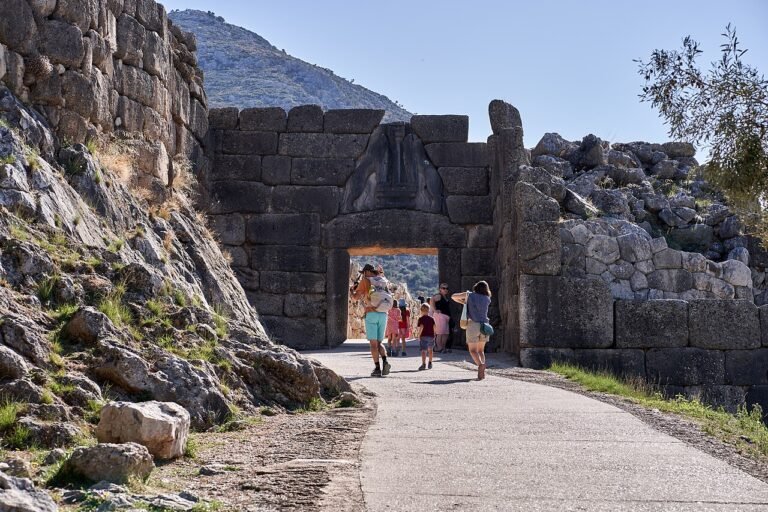
Planning a wider Peloponnese itinerary? Mycenae is just 45 minutes south, home to the famous Lion Gate — Europe’s oldest monumental sculpture. Epidaurus, about 1 hour from Corinth, hosts the world’s finest ancient theatre. Both are easily combined into a multi-day circuit using Nafplio as your base.