Athens Airport to Olympia 2026: Transfers, Driving & Ancient Games Guide
Olympia represents one of Greece’s most historically significant archaeological destinations, home to the ancient Olympic Games and some of the classical world’s most impressive monuments. Located approximately 310 kilometres from Athens Airport, this sacred sanctuary requires 3.5 to 4 hours of driving via the A8 and E94 motorways, making it an overnight destination rather than a manageable day trip. This comprehensive guide covers transport options, what to expect at the legendary site, and how to make the most of your pilgrimage to where the ancient world’s most prestigious athletic competitions were held for more than 1,100 years.
How to Get from Athens Airport to Olympia
Three main transport options connect Athens Airport to Olympia, each with distinct advantages depending on your travel style, budget, and flexibility requirements. The journey spans approximately 310 kilometres via the A8 motorway heading toward Corinth, then continuing via the E94 toward the Peloponnese interior. Motorway tolls total approximately €15–18 for the complete journey. This longer journey necessitates careful planning, particularly if you’re arriving on the same day as your flight, as driving immediately after a long international journey may be exhausting.
| Option | Duration | Cost (approx) | Best For |
|---|---|---|---|
| Private Transfer | 3.5–4 hours | €200–260 | Direct service, comfort, avoid driving fatigue |
| Self-drive Rental Car | 3.5–4 hours | €40–80 (daily) + tolls + fuel | Maximum flexibility, exploration, multiple stops |
| KTEL Bus (from Athens) | 3.5–4 hours | €25–30 | Budget travellers, no driving preference |
Private Transfer from Athens Airport to Olympia
A private airport transfer to Olympia offers direct service, avoiding the fatigue associated with self-driving a lengthy route immediately after international travel. Professional drivers collect you from the airport terminal with a nameplate, manage luggage efficiently, and provide direct routing via the most efficient motorway network. Journey time is approximately 3.5 to 4 hours depending on traffic conditions, time of day, and specific Olympia accommodation location.
Private transfer costs typically range from €200 to €260 for a standard sedan accommodating up to three passengers, with larger vehicles and group transfers available at proportionally higher rates. This investment is worthwhile if you’re arriving fatigued from long-distance travel or prefer avoiding navigation of unfamiliar Greek motorway systems. Pre-booking ensures fixed pricing and eliminates uncertainty regarding transport costs, allowing you to budget accurately for your Olympia journey.
Most private transfer operators can accommodate late-night arrivals or early morning departures, providing flexibility for flight schedules. Drivers are familiar with Olympia’s various accommodation zones and can provide recommendations regarding hotel selection and local attractions. This option proves particularly valuable if visiting Olympia immediately upon arrival in Greece, as it allows rest and recovery before beginning archaeological exploration.
Self-Drive Rental Car from Athens Airport to Olympia
Renting a car at Athens Airport provides maximum flexibility for exploring Olympia and surrounding Peloponnese attractions, though the long drive requires careful planning. Daily rental rates range from €40 to €80 depending on vehicle type and season, with fuel costs approximately €35–45 for the round trip to Olympia. Motorway tolls add €15–18 to your journey costs. The drive spans approximately 3.5 to 4 hours via well-maintained A8 and E94 motorways, clearly signposted and heavily trafficked but straightforward to navigate.
The motorway journey includes several rest areas offering refreshments, facilities, and opportunities to rest. However, driving this distance immediately after international travel can be exhausting; consider stopping en route in Corinth or another town for a meal break and brief rest. The roads are well-maintained and driving standards similar to most European countries, though Greek traffic requires caution and adherence to speed limits (130 km/h on motorways, typically enforced).
A rental car offers exceptional advantages if you plan to explore multiple Peloponnese sites during your stay, including nearby Pyrgos (30 kilometres), ancient temples, and regional museums. You gain freedom to set your own schedule, take detours, and explore smaller villages and attractions unavailable via public transport. However, ensure you’re comfortable with long-distance driving, understand Greek traffic regulations, and possess an international driving permit if required by your nationality.
KTEL Bus Service from Athens to Olympia
KTEL buses offer the most economical option to Olympia, with fares approximately €25–30 from Athens. However, critically, no direct bus service connects Athens Airport to Olympia. You must first travel from the airport to Athens city centre, then catch a connecting KTEL bus from the Kifissos bus station to Olympia. This adds 1–1.5 hours to your total journey time, extending airport-to-Olympia travel to approximately 4.5–5.5 hours total.
The airport-to-city shuttle bus or metro journey takes approximately 1–1.5 hours depending on traffic conditions and time of day. Once in Athens city centre, navigate to the Kifissos KTEL terminal serving long-distance buses to western Greece and the Peloponnese. KTEL buses depart regularly throughout the day, with departures typically every 1–2 hours during daylight. The Olympia journey from Athens takes approximately 3.5 hours, making total travel time from airport 4.5–5.5 hours when accounting for city transfers.
KTEL buses are comfortable and modern, featuring air conditioning and adequate luggage storage. This option suits budget travellers comfortable with transfers and those without vehicles. However, the extended journey time and connection requirement make private transfer or self-drive preferable if you’re arriving fatigued or have substantial luggage. Bus schedules vary seasonally and should be confirmed when planning your trip to ensure convenient departure times aligning with your preferences.
What to See at Olympia
Olympia stands as ancient Greece’s most sacred sanctuary, home to the Olympic Games held every four years for over 1,100 years. This sprawling archaeological site stretches across the lush valley of the Alpheus River, with temples, athletic facilities, and administrative buildings distributed across extensive grounds. The sanctuary hosted not only athletic competition but also religious pilgrimage, with athletes and spectators from across the Mediterranean gathering to honour Zeus and compete for glory and eternal fame. Today, the site encompasses approximately 32 hectares of archaeologically significant ruins, with major monuments including temples, stadiums, and treasuries providing insights into classical Greek religious practice and athletic culture.
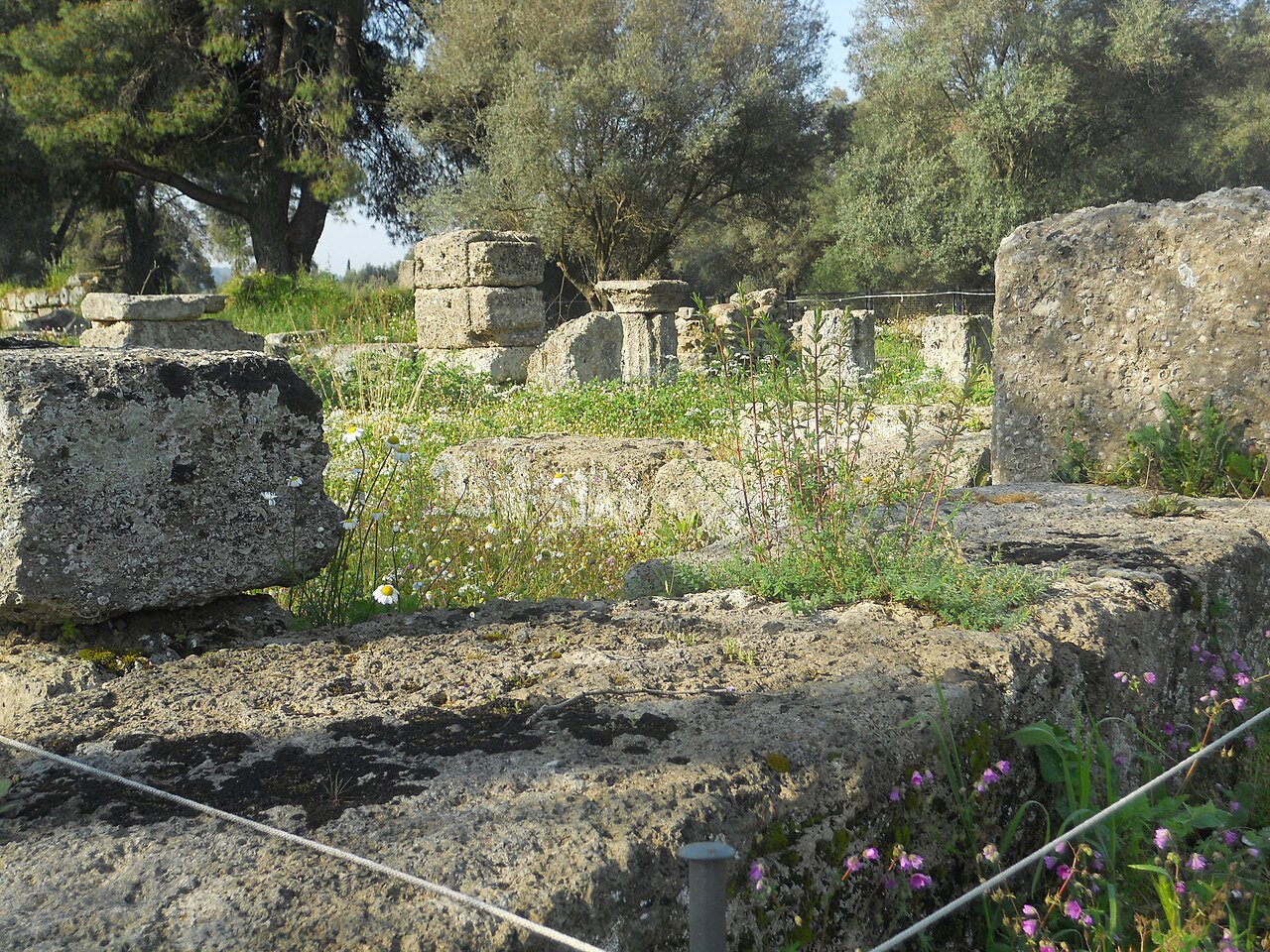
The Temple of Zeus ranks among classical Greece’s most important religious structures, originally housing the colossal chryselephantine (gold and ivory) statue of Zeus by Pheidias, counted among the Seven Wonders of the Ancient World. Although the statue no longer exists, the temple’s foundations, scattered column fragments, and the exceptional Archaeological Museum preserve detailed knowledge of this masterpiece. The statue reportedly stood approximately 12 metres high, with Zeus seated on an elaborate throne adorned with precious materials and artistic details. Only the temple’s stone base, fragments of sculptured pediments, and ancient descriptions remain, yet archaeological evidence conveys the extraordinary artistic achievement this represented.
The Archaeological Museum houses exceptional artefacts including the renowned statue of Hermes by Praxiteles, one of the finest examples of classical sculpture surviving from antiquity. This marble statue, dating to the fourth century BCE, demonstrates extraordinary naturalism and artistic refinement, captivating visitors with its graceful proportions and subtle anatomical precision. The museum also displays bronze statues, pottery, weapons, and religious artefacts providing comprehensive context for understanding Olympia’s role in classical Greek society. The ancient stadium, where foot races and athletic competitions occurred, features a starting line and partially preserved embankments, allowing visitors to appreciate the scale and organisation of Olympic competition. The Temple of Hera, among the oldest preserved Greek temples, features several standing columns and provides architectural contrast to the later, more elaborate Temple of Zeus.
Guided Tours to Olympia from Athens
Guided tours to Olympia from Athens provide expert context explaining the sanctuary’s religious significance, the Olympic Games’ historical evolution, and the artistic masterpieces once housed within its temples. Professional guides explain how athletes trained, the religious ceremonies accompanying competition, and the geopolitical significance of Olympia within the ancient Greek world. Most comprehensive tours include overnight accommodation, allowing leisurely exploration of the site, the museum, and the adjacent modern village with traditional restaurants and accommodations. Tours typically depart early morning from Athens and return the following day, providing full immersion in Olympia’s historical and cultural significance.
Where to Stay Near Olympia
The village of Olympia, located within walking distance of the archaeological site, offers numerous accommodation options from budget guesthouses to comfortable mid-range hotels. This proximity allows convenient access to the site, with morning arrivals beating crowds and afternoon exploration after rest and meals. Alternatively, the town of Pyrgos, located approximately 30 kilometres away, offers larger accommodation selections and vibrant local atmosphere, though requiring brief journeys to the archaeological site. For most visitors, staying in the Olympia village provides optimal convenience, allowing unhurried exploration of the extensive site across multiple days if desired.
Practical Tips for Visiting Olympia
Plan to spend a minimum of 1.5 to 2 days in Olympia to adequately explore the extensive archaeological site and museum. The site encompasses approximately 32 hectares of ruins spread across landscape requiring substantial walking. Arrive early morning before crowds and midday heat; the site opens typically at 8 AM year-round. Bring sunscreen, a hat, comfortable walking shoes, and abundant water supplies, particularly during summer months when temperatures regularly exceed 35 degrees Celsius. The site offers minimal shade, making sunburn and heat exhaustion realistic risks without proper precautions.
Entrance fees are approximately €12 for the archaeological site and €9 for the museum, though combined tickets offer better value. The Archaeological Museum requires 1.5 to 2 hours of careful viewing to appreciate the exceptional artefacts and sculptural treasures. The site includes a small café offering basic refreshments, but for meal variety and better pricing, dine at restaurants in Olympia village. Most restaurants serve traditional Greek cuisine featuring local produce and regional specialities. Mobile phone coverage is generally reliable, though internet connectivity may be limited in some areas.
If driving, petrol stations are located in Pyrgos and surrounding towns approximately 20–30 kilometres away, so ensure adequate fuel before departing. Photography is permitted throughout the archaeological zone, making Olympia exceptionally photogenic during golden hour (early morning and late afternoon). The site features seasonal variations, with spring (April–May) offering wildflower displays and autumn (September–October) providing comfortable temperatures and fewer crowds than summer months. Winter visitation is possible but involves shorter daylight hours and occasional rainfall, requiring appropriate clothing and footwear.
Frequently Asked Questions
Can I visit Olympia as a day trip from Athens Airport?
Olympia is too distant for a practical day trip from Athens Airport. The 310-kilometre distance requires 3.5 to 4 hours of driving each way, making at least 7–8 hours of total travel time before beginning archaeological exploration. This leaves insufficient time for meaningful site visitation after accounting for meal breaks and rest periods. An overnight stay in Olympia allows leisurely exploration of the extensive site, the exceptional museum, and village atmosphere. Most visitors spend 1.5 to 2 days to adequately appreciate the classical world’s most sacred athletic and religious sanctuary.
Is the drive from Athens to Olympia difficult?
The drive from Athens to Olympia is straightforward regarding route navigation, with well-maintained A8 and E94 motorways clearly signposted and heavily trafficked. However, the 3.5 to 4-hour duration presents challenges for drivers fatigued from international travel. Greek motorway driving requires attention to speed limit enforcement (130 km/h typical limits) and other drivers’ traffic patterns. Several rest areas along the route provide opportunities to stop, refresh, and rest. For first-time visitors unfamiliar with Greek driving, a private transfer eliminates navigation stress and allows rest during the journey.
What is the best time of year to visit Olympia?
April to May and September to October offer ideal visiting conditions, with moderate temperatures (20–28 degrees Celsius), minimal rainfall, and manageable crowd levels. Spring offers wildflower displays brightening the sanctuary landscape, while autumn provides comfortable temperatures for extended site exploration. Summer months (June–August) attract substantial crowds and temperatures exceeding 35 degrees Celsius, requiring early arrival and heat precautions. Winter (November–March) features shorter daylight hours and occasional rainfall, but offers peaceful exploration for those preferring solitude and atmospheric visitation. Avoid visiting immediately after international flights due to travel fatigue; allow rest time before attempting the long drive or site exploration.
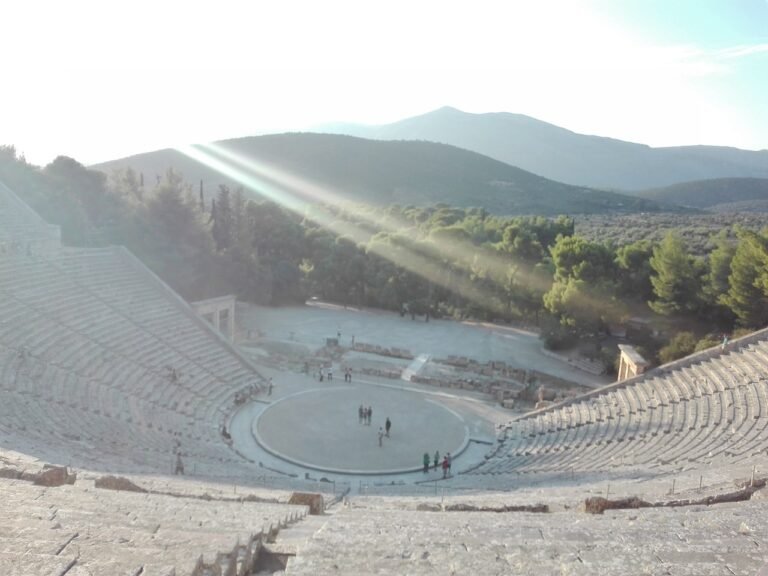
Combining Olympia with other Peloponnese sites is rewarding if you have extra days. Ancient Corinth makes an excellent stopover en route, adding just 30 minutes to your journey. For multi-day exploration, Nafplio — the Peloponnese’s finest base town — is roughly 2 hours from Olympia and gives easy access to Epidaurus and Mycenae.