← Day Trips from Athens Airport • Athens Airport Transport Guide
Athens Airport to Meteora 2026: Transfers, Driving & Monastery Guide
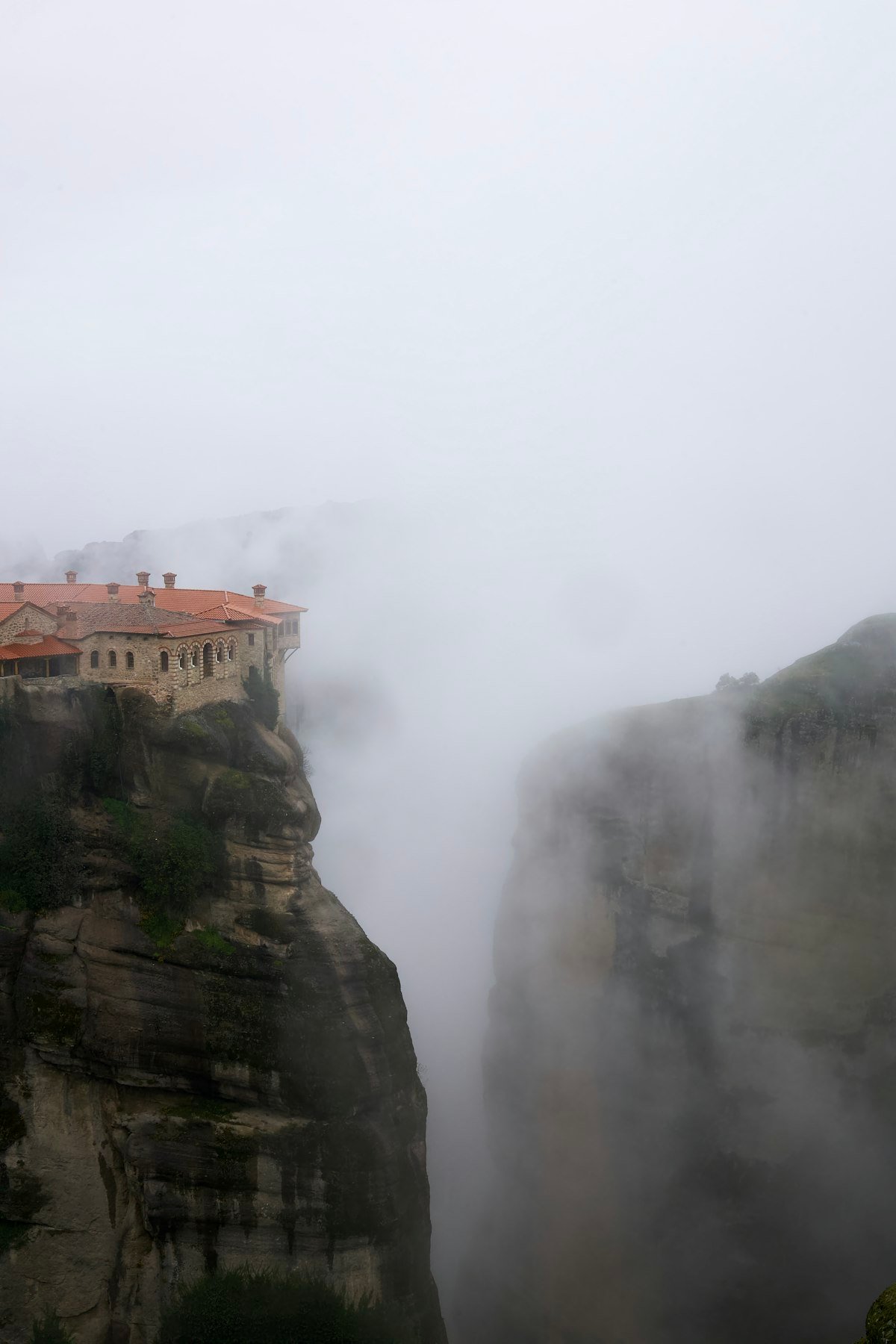
Meteora is one of the most extraordinary sights in all of Europe — ancient Byzantine monasteries perched on top of soaring sandstone pillars in central Greece. Getting there from Athens Airport is a half-day journey by car or bus, and the experience is absolutely worth the effort. This guide covers all your transport options and what to expect on arrival.
How to Get from Athens Airport to Meteora
| Option | Duration | Cost (approx) | Best For |
|---|---|---|---|
| 🚗 Private transfer / taxi | ~3.5–4 hrs | €180–€250 | Comfort, flexibility, door-to-door |
| 🚗 Rental car (via A1/E65) | ~3.5–4 hrs | €40–€70/day + tolls | Independent travellers |
| 🚆 Train to Kalambaka | ~4.5–5.5 hrs | €15–€25 | Budget, scenic |
| 🚌 Bus (KTEL) | ~5–6 hrs | €20–€30 | Budget option |
Option 1 – Private Transfer from Athens Airport
A private transfer directly from Athens Airport to Meteora (Kalambaka) is the most comfortable and time-efficient option. The drive takes approximately 3.5–4 hours via the A1 and E65 motorways. Welcome Pickups offers fixed-price transfers with professional drivers — no meters, no surprises. Your driver picks you up from arrivals and takes you directly to your hotel in Kalambaka or Kastraki. Book your Athens Airport to Meteora transfer here. All Welcome Pickups drivers are English-speaking — a key advantage for travellers from the US, UK, Australia, and other English-speaking countries.
Book a tour or day trip from Athens – instant confirmation
Welcome PickupsOption 2 – Rental Car via A1/E65
Driving to Meteora is straightforward. From Athens Airport, take the A1 north towards Lamia, then join the E65 towards Trikala and Kalambaka. The total distance is approximately 335 km. Allow 3.5–4 hours plus stops. Toll costs are approximately €12–€18 each way. Having your own car gives maximum flexibility for visiting the monasteries across multiple days — each site requires its own drive up to the rock formations. Rental desks are available at the airport terminal.
Option 3 – Train to Kalambaka
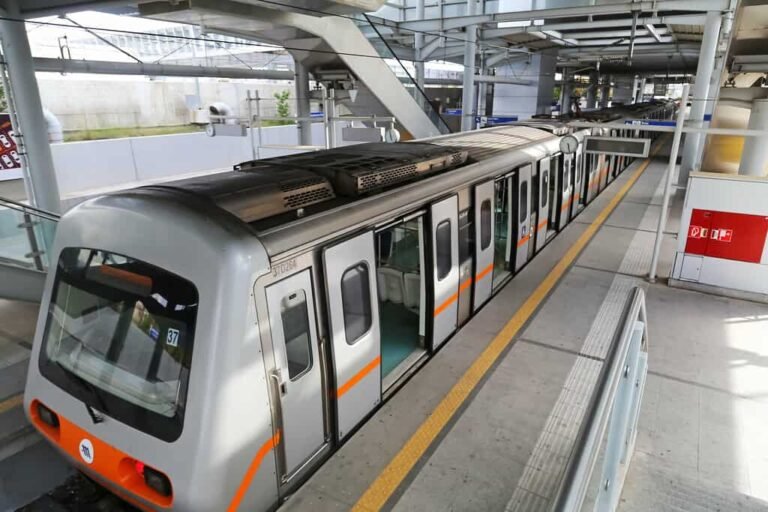
Trains connect Athens Larissa Station to Kalambaka (the gateway town to Meteora) in approximately 4.5–5.5 hours, with a change at Palaiofarsalos. Fares are inexpensive (€15–€25). From the airport, take Metro Line 3 to Monastiraki, then Line 2 to Larissa Station — allow an extra 45–60 minutes. The train journey passes through the Thessaly plain and is scenic, though slower than driving. Check TrainOSE for timetables.
Option 4 – KTEL Bus
KTEL Trikala operates buses from Athens’ Kifissos terminal to Kalambaka, taking approximately 5–6 hours. Buses do not depart from the airport — you would need a transfer to Kifissos bus station first (taxi or express bus X93). This option makes sense primarily if you are already in central Athens.
Where to Stay for Meteora
There are two base towns for visiting the monasteries:
Book a tour or day trip from Athens – instant confirmation
Welcome PickupsKalambaka — The larger town at the foot of the rocks, with the widest range of hotels, restaurants, and services. Good transport connections. Most visitors stay here.
Kastraki — A smaller, quieter village nestled directly among the rock pillars. More atmospheric and closer to the monasteries. Excellent for photography at sunrise and sunset. Slightly fewer facilities than Kalambaka but highly recommended for those wanting a more immersive experience.
Visiting the Monasteries
There are six active monasteries open to visitors at Meteora. Each requires a separate entrance fee (€3 per monastery). Opening hours vary by day and season — most are closed one or two days per week, staggered so that some are always open. Check current schedules before you go as they change seasonally.
| Monastery | Highlights | Notes |
|---|---|---|
| Great Meteoron (Transfiguration) | Largest, oldest, best museum | Steepest climb (300+ steps) |
| Varlaam | Stunning frescoes, dramatic position | Most popular after Great Meteoron |
| Roussanou (St Barbara) | Unique bridged entrance, nuns’ monastery | Easiest access |
| St Nicholas Anapafsas | Excellent Theophanes frescoes | Smallest, fewer crowds |
| Holy Trinity | Film location (James Bond), remote feel | 145 steps, worth the climb |
| St Stephen | Nuns’ monastery, accessible entrance | No steps — bridge entrance |
Dress code: Modest dress is required — shoulders and knees must be covered for both men and women. Sarongs are sometimes available at entrances but it is better to bring your own.
Book a tour or day trip from Athens – instant confirmation
Welcome PickupsWhen to Visit Meteora
Spring (April–May) and autumn (September–October) are ideal — mild temperatures, green landscapes, manageable crowds, and golden light for photography. April is particularly beautiful with wildflowers across the valley.
Summer (June–August) brings significant heat (35°C+) and the largest tourist volumes. The monasteries can be very crowded midday — arrive at opening time or late afternoon to avoid the worst of the coach tour groups.
Winter (November–March) offers the most dramatic atmosphere — mist rising from the valley floor around the pillars on cold mornings is genuinely otherworldly. Fewer tourists, lower prices. Some monasteries have reduced hours.
Practical Tips for Meteora
Sunrise and sunset — The light at sunrise (particularly from the Psaropetra viewpoint above Kastraki) and sunset (from the Holy Trinity viewpoint road) is spectacular and worth planning around.
Allow two days — You can rush Meteora in one day, but two days allows you to visit all six monasteries at a comfortable pace, explore the valley by foot or bike, and watch the light change across the rocks morning and evening.
Rock climbing — Meteora is a world-class climbing destination. Guided climbing tours depart from Kastraki for all skill levels.
Hiking trails — A network of trails connects the monasteries through the valley. The full circuit takes approximately 4–5 hours on foot. Maps are available in Kalambaka.
Book transfers in advance — Private transfers from Athens Airport to Meteora should be booked ahead, especially in peak season. Welcome Pickups offers fixed pricing with no hidden costs. Book here.
Frequently Asked Questions
How far is Meteora from Athens Airport?
Meteora (Kalambaka) is approximately 335 km from Athens Airport via the A1 and E65 motorways. A private transfer takes 3.5–4 hours. By train from central Athens, the journey takes approximately 4.5–5.5 hours with a change at Palaiofarsalos.
Is a car necessary for visiting Meteora?
A car gives maximum flexibility for visiting all six monasteries, which are spread across different rock formations requiring separate drives. However, it is possible without a car: some monasteries are reachable on foot or by bicycle from Kalambaka or Kastraki, and local taxis can take you between sites. Organised day-tour minibuses also operate from Kalambaka.
Can I visit Meteora as a day trip from Athens?
Technically yes — a private transfer there and back in a single day is possible but very long (7–8 hours driving total). You would have only 2–3 hours at the monasteries. Two days with an overnight stay in Kalambaka or Kastraki is strongly recommended to experience Meteora properly, particularly the sunrise and sunset light on the rocks.
How many monasteries can I visit in one day?
With a car and an early start, all six monasteries can be visited in a full day. Note that each monastery has different closing days — check current schedules in advance. A comfortable one-day visit typically covers three or four monasteries with time to appreciate each one.
Where to stay in Meteora / Kalambaka
Looking for accommodation in Meteora / Kalambaka? Browse hotels, apartments and guesthouses on Booking.com — filter by price, rating, neighbourhood and free cancellation.
🎟️ Book a Day Trip to Meteora
Guided full-day tours from Athens to Meteora with transport included.
Browse on GetYourGuide →For a full comparison of all Athens Airport transfer options, see our Athens Airport Transfers Complete Guide 2026.
Athens Airport Transfer
Ready to Book Your Taxi?
€40 fixed rate • Meet & greet at arrivals • 24/7 availability
Book Your Transfer →