← Day Trips from Athens Airport • Athens Airport Transport Guide
Athens Airport to Mycenae 2026: Transfers, Driving & Bronze Age Guide
Mycenae represents one of Europe’s most historically significant archaeological sites, home to Bronze Age civilisation’s greatest monuments and the legendary Kingdom of Agamemnon. Located approximately 120 kilometres from Athens Airport, reaching this UNESCO World Heritage site requires about 1.5 to 2 hours of driving via Corinth, making it an excellent day-trip destination. The iconic Lion Gate stands as Europe’s oldest monumental sculpture, while the Treasury of Atreus showcases extraordinary Mycenaean engineering and architectural achievement. This comprehensive guide covers transport options from the airport, what to expect at this remarkable site, and why Mycenae deserves a place on every classical history enthusiast’s Greek itinerary.
How to Get from Athens Airport to Mycenae
Three main transport options connect Athens Airport to Mycenae, each offering distinct advantages depending on your travel style, budget, and flexibility requirements. The journey spans approximately 120 kilometres via the A8 motorway toward Corinth, then regional roads southward to the Peloponnese. Motorway tolls total approximately €5–6 for the journey. Mycenae’s relatively close proximity to Athens Airport combined with extraordinary historical significance makes it an ideal destination for day trips or as part of multi-site Peloponnese archaeological touring.
Book your private airport transfer – instant confirmation
Welcome Pickups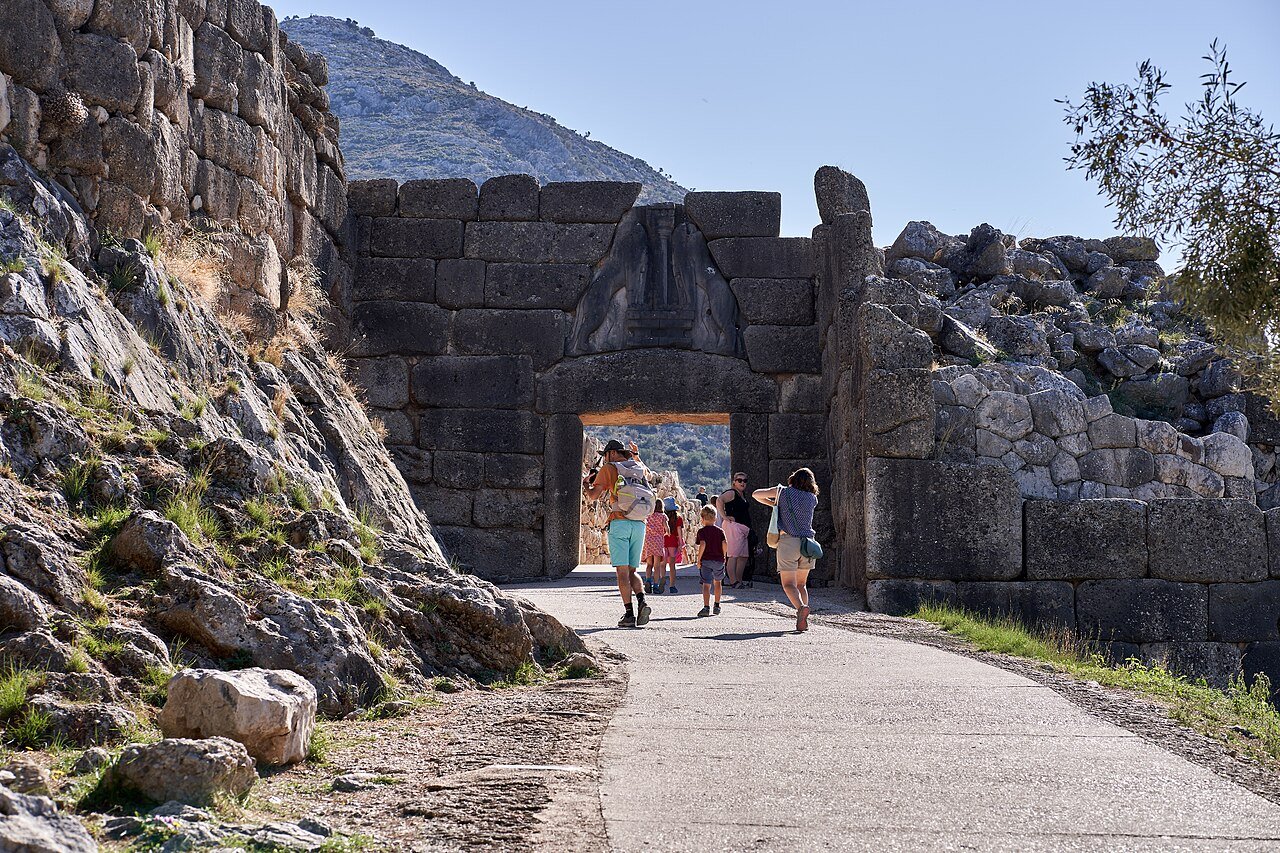
| Option | Duration | Cost (approx) | Best For |
|---|---|---|---|
| Private Transfer | 1.5–2 hours | €100–130 | Door-to-door convenience, luggage, comfort |
| Self-drive Rental Car | 1.5–2 hours | €40–80 (daily) + tolls + fuel | Maximum flexibility, multiple site visits |
| KTEL Bus (via Athens) | 2–3 hours | €8–12 | Budget travellers, public transport preference |
Private Transfer from Athens Airport to Mycenae
A private airport transfer to Mycenae offers direct service combining convenience with reasonable cost. Professional drivers collect you from the airport terminal with a nameplate, manage luggage efficiently, and provide direct routing via the A8 motorway and regional roads. Journey time is approximately 1.5 to 2 hours depending on traffic conditions and your specific Mycenae accommodation location.
Private transfer costs typically range from €100 to €130 for a standard sedan accommodating up to three passengers, with larger vehicles available at proportionally higher rates. This option represents excellent value for day-trip visitors, families, or those preferring not to drive on unfamiliar roads. Pre-booking ensures fixed pricing and eliminates uncertainty, allowing accurate budget planning for your archaeological adventure. Most private transfer operators can accommodate flexible timing, particularly helpful if your flight arrives outside standard working hours.
Private transfers prove particularly valuable if you’re basing yourself in nearby Nafplio, the perfect base for exploring the Peloponnese, which offers exceptional accommodation, charming atmosphere, and convenient access to multiple archaeological sites within 30–50 kilometres. Drivers are familiar with the region and can provide recommendations for accommodation, restaurants, and optimal visiting strategies for maximising archaeological experience.
Self-Drive Rental Car from Athens Airport to Mycenae
Renting a car at Athens Airport provides maximum flexibility for exploring Mycenae and nearby attractions including Epidaurus (approximately 45 minutes), Corinth (approximately 1 hour), and Nafplio (approximately 30 minutes). Daily rental rates range from €40 to €80 depending on vehicle type and season, with fuel costs approximately €10–15 for the round trip to Mycenae. Motorway tolls add €5–6 to your journey costs. The drive spans approximately 1.5 to 2 hours via the A8 motorway and regional roads, straightforward to navigate with clear signposting.
Book your private airport transfer – instant confirmation
Welcome PickupsThe A8 motorway provides well-maintained driving conditions and adequate rest areas for breaks and refreshments. The secondary roads from Corinth toward Mycenae wind through scenic countryside, offering pleasant driving experiences and opportunities to stop at roadside villages. A rental car enables visiting multiple Peloponnese sites within a single day, combining Mycenae with nearby Epidaurus, Nafplio, or Corinth. This flexibility allows maximising your Peloponnese archaeological experience without committing to overnight accommodation if you prefer to return to Athens.
Ensure you’re comfortable with Greek driving standards, understand roundabout protocols, and possess an international driving permit if required by your nationality. Greek roads are generally well-maintained, though traffic approaching Corinth can be heavy during peak hours. Parking at the archaeological site is straightforward, with adequate free or inexpensive parking available for visitors throughout the day.
KTEL Bus Service from Athens to Mycenae
KTEL buses offer the most economical option to Mycenae, with fares approximately €8–12 from Athens. However, no direct bus service connects Athens Airport to Mycenae. You must first travel from the airport to Athens city centre, then catch a connecting KTEL bus from the Kifissos bus station toward the Peloponnese. This adds 1–1.5 hours to your total journey time, extending airport-to-Mycenae travel to approximately 2–3 hours total.
The airport-to-city shuttle or metro journey takes approximately 1–1.5 hours depending on traffic conditions. Once in Athens city centre, navigate to the Kifissos KTEL terminal serving long-distance buses to the Peloponnese. KTEL buses to the Mycenae region depart regularly, typically every 30 minutes to 1 hour during peak hours. The Athens-to-Mycenae journey takes approximately 1.5–2 hours, making total airport-to-Mycenae travel time 2–3 hours when accounting for city transfers.
Book your private airport transfer – instant confirmation
Welcome PickupsKTEL buses are comfortable and modern with air conditioning and adequate luggage storage. This option suits budget travellers comfortable with transfers and those without driving preferences. However, the journey complexity and connection requirements make private transfer or self-drive preferable if you’re arriving fatigued or have substantial luggage. Bus schedules vary seasonally; confirm departure times when planning your itinerary to ensure convenient journey timing.
What to See at Mycenae
Mycenae stands as one of Europe’s most historically significant Bronze Age sites, home to the legendary Kingdom of Agamemnon and revealing sophisticated civilisation flourishing approximately 3,500 years ago. The site encompasses extensive ruins sprawled across a hillside, with major monuments including the iconic Lion Gate, the Treasury of Atreus, Grave Circle A, cyclopean defensive walls, and the palace foundations. The archaeological remains reveal advanced architectural knowledge, engineering sophistication, and military organisation rivalling contemporary civilisations. Excavations beginning in the nineteenth century by archaeologist Heinrich Schliemann revealed extraordinary treasures including the so-called “Mask of Agamemnon,” now displayed in the Athens National Archaeological Museum, revolutionising understanding of Bronze Age Greece.
The Lion Gate ranks among Europe’s oldest monumental sculptures, featuring two carved lions flanking a central column, representing the gateway to the royal citadel. This iconic monument, dating approximately to 1250 BCE, stands as the earliest known example of monumental relief sculpture in Europe, predating similar works in Egypt and the Near East. The limestone lions, though weathered by millennia, retain recognisable form and majesty, evoking the citadel’s power and magnificence. Standing before this ancient gateway creates tangible connection across 3,250 years of history, with countless travellers over centuries passing through this same entrance to reach the palace and sanctuary within.
The Treasury of Atreus, alternatively known as the Tomb of Agamemnon, showcases extraordinary Mycenaean architectural achievement. This beehive-shaped tomb, constructed approximately 1250 BCE using corbelling (overlapping stone block techniques), spans approximately 14.6 metres internally and rises approximately 13.5 metres high, demonstrating sophisticated engineering and structural knowledge. The entrance features elaborate carved decorations and an elaborate doorway, indicating royal burial importance. The interior chamber’s remaining intact structure, despite millennia of preservation challenges, reveals Mycenaean craftsmen’s technical mastery. Grave Circle A, enclosed by protective stone walls, contains shaft graves containing the royal family burials and the extraordinary gold artefacts revealed by Schliemann’s excavations. The Archaeological Museum displays exceptional artefacts including pottery, weapons, jewellery, and sculptural fragments revealing daily life, religious practices, and international trade connections during the Bronze Age.
Guided Tours to Mycenae from Athens
Guided tours to Mycenae from Athens provide expert context explaining the Bronze Age civilisation, the citadel’s military and political importance, and the legendary Agamemnon whose palace once dominated this hilltop. Professional guides explain the architectural significance of the Lion Gate and Treasury of Atreus, detail the graves and burials discovered within Grave Circle A, and narrative the tragic legend of Agamemnon’s murder immortalised in classical literature. Tours often include stops at nearby Nafplio or Epidaurus, enabling multi-site exploration within a single comprehensive Peloponnese excursion. Most tours depart mid-morning from central Athens, allowing comfortable morning travel and afternoon archaeological exploration.
Where to Stay Near Mycenae
Nafplio, the perfect base for exploring the Peloponnese, is located approximately 30 minutes from Mycenae and offers exceptional accommodation quality, charming waterfront atmosphere, excellent restaurants, and convenient access to other nearby archaeological sites. Nafplio’s beautiful walled town character with Venetian fortresses, traditional architecture, and vibrant local atmosphere makes it an exceptional regional base. From Nafplio, you can visit Mycenae for morning exploration, then spend afternoons exploring nearby Epidaurus (20 minutes away) or Corinth (1 hour away). Small hotels near the Mykines village, approximately 5 kilometres from the citadel, offer budget options and intimate local atmosphere for those preferring proximity to the archaeological site.
Practical Tips for Visiting Mycenae
Plan to arrive at the citadel early, preferably before 10 AM, to explore the site before crowds arrive and midday heat intensifies. Bring comfortable walking shoes, sunscreen, a hat, and abundant water supplies, as the site offers limited shade and can be intensely sunny during midday hours. The terrain includes sloped paths, stairs, and uneven ground; visitors with mobility limitations should proceed carefully and potentially focus on lower levels accessible via gentler paths. Allow 2–3 hours for thorough exploration of the main structures, Lion Gate, and surrounding landscape, extending to 3–4 hours if you wish to visit the on-site museum.
Entrance fees are approximately €12 for the archaeological site, with the museum included in the general admission fee. The museum showcases exceptional artefacts providing context for understanding Mycenaean Bronze Age civilisation, though many of the most famous treasures including the Mask of Agamemnon are displayed in the Athens National Archaeological Museum. Restaurants and tavernas operate in the nearby Mykines village approximately 5 kilometres away, offering traditional Greek cuisine and local specialities. Alternatively, picnic supplies purchased in Athens or nearby towns enable outdoor meals within the archaeological zone.
Photography is permitted throughout the site, with the Lion Gate and surrounding landscape providing exceptional photographic opportunities, particularly during golden hour (early morning and late afternoon). Mobile phone coverage is generally reliable; internet connectivity may be limited. The site is accessible year-round, with extended summer hours (typically 8 AM to 7 PM) and shorter winter hours (8 AM to 3 PM). Spring (April–May) and autumn (September–October) offer ideal visiting conditions with comfortable temperatures (20–28 degrees Celsius). Summer months (June–August) bring larger crowds and intense heat exceeding 35 degrees Celsius, requiring early arrival and heat precautions. Winter (November–March) offers peaceful exploration but reduced daylight hours, requiring careful timing of site visits to maximise available light.
Frequently Asked Questions
Can I visit Mycenae as a day trip from Athens Airport?
Yes, Mycenae makes an excellent day trip from Athens Airport, with the 120-kilometre distance and 1.5–2-hour journey combining manageable travel time with substantial site exploration opportunity. You can depart the airport late morning, arrive at Mycenae by early afternoon, spend 2–3 hours exploring the citadel, Lion Gate, and Treasury of Atreus, then return to Athens by evening. This makes Mycenae ideal for visitors with limited time in Greece or those preferring not to commit to overnight accommodation. For a more relaxed experience combining Mycenae with nearby Epidaurus or other Peloponnese sites, spending one night in nearby Nafplio provides superior value and enables multi-site regional exploration.
What is the significance of the Lion Gate?
The Lion Gate represents Europe’s oldest monumental relief sculpture, dating approximately to 1250 BCE and standing as a testament to Mycenaean artistic and architectural achievement. The limestone gateway features two lions carved in relief flanking a central column representing a sacred pillar or altar, symbolising royal power and divine protection. This iconic monument greeted visitors entering the royal citadel, conveying the kingdom’s sophistication and authority. The lions’ presence over 3,250 years demonstrates exceptional limestone durability and artistic permanence, with the sculpture remaining recognisably intact despite millennia of exposure to weather, earthquakes, and human activity. The Lion Gate appears in countless classical texts and mythological narratives, making it perhaps antiquity’s most famous gateway and a visual symbol of Bronze Age Greece recognised worldwide.
What is the best time to visit Mycenae?
April to May and September to October offer optimal visiting conditions, with moderate temperatures (20–28 degrees Celsius), minimal rainfall, and manageable crowd levels. Spring provides wildflower displays throughout the hillside, enhancing the archaeological experience with natural beauty. Summer months (June–August) attract substantial crowds and temperatures exceeding 35 degrees Celsius, requiring early arrival and heat precautions. However, summer also features extended daylight hours enabling thorough site exploration before darkness falls. Winter (November–March) features shorter daylight hours, occasional rainfall, and fewer visitors, offering peaceful exploration for those preferring solitude. Regardless of season, arriving early (before 10 AM) ensures encountering minimal crowds and milder temperatures during active exploration time, improving overall experience quality and photographic opportunities.
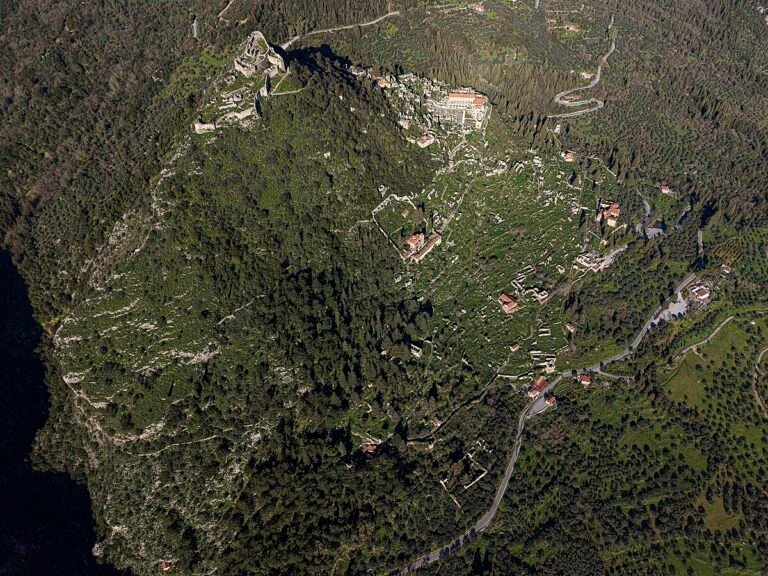
If you’re exploring the southern Peloponnese further, Sparta and the Byzantine ruins of Mystras are around 1 hour 45 minutes south of Mycenae and make a superb continuation of any Peloponnese road trip.
📱 Stay Connected in Greece
Activate a Greek eSIM before you land — instant setup on any compatible phone. No queues, no contracts.
Get Your Greece eSIM →4G/5G coverage · Instant activation · No contract
🗺️ Explore more destinations: See all day trips from Athens Airport — 12 destinations you can reach direct from arrivals without stopping in the city.
For a full comparison of all Athens Airport transfer options, see our Athens Airport Transfers Complete Guide 2026.
Athens Airport Transfer
Ready to Book Your Taxi?
€40 fixed rate • Meet & greet at arrivals • 24/7 availability
Book Your Transfer →